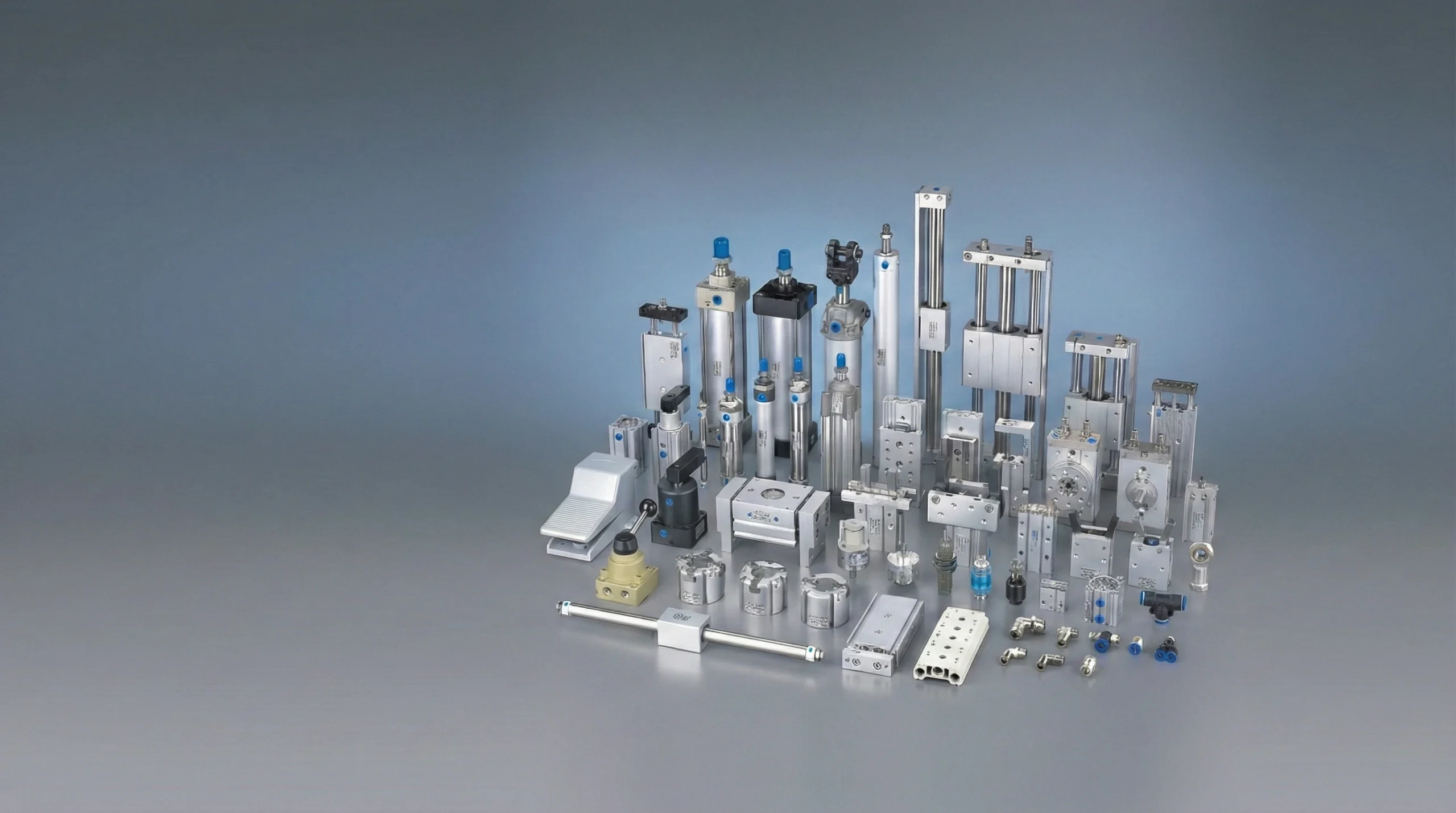
Pneumatic actuators.
Match the motion.
Standard, mini, compact, slide-table, guided and rodless formats. Compare six categories and 26 series groups by motion, available space and installation needs.
Pneumatic range · representative arrangement
Six routes to
linear motion.
Choose the body and guidance format for your installation, then open a category to compare its series and available specifications.
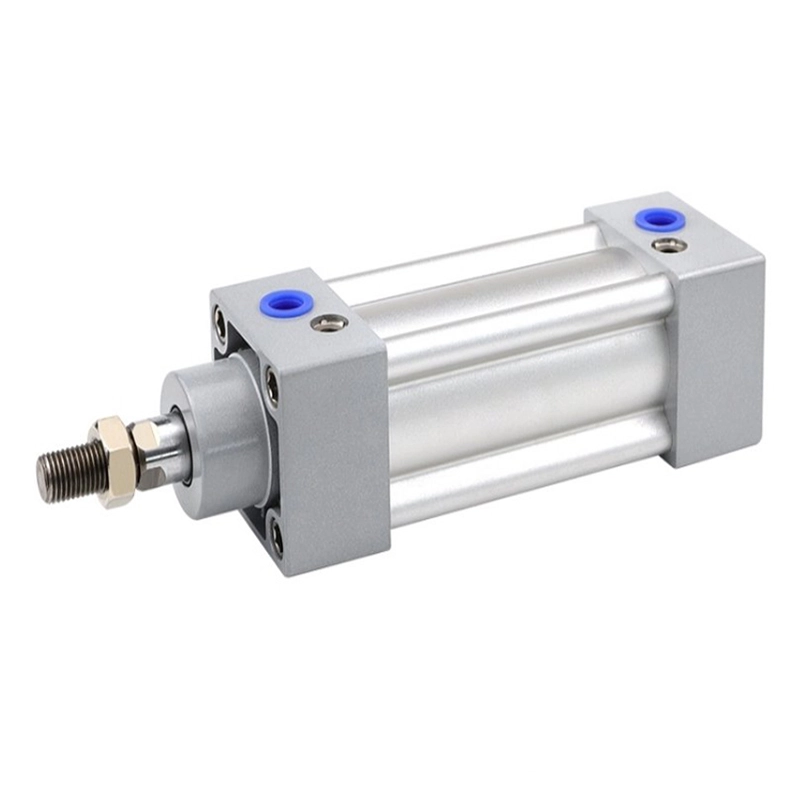
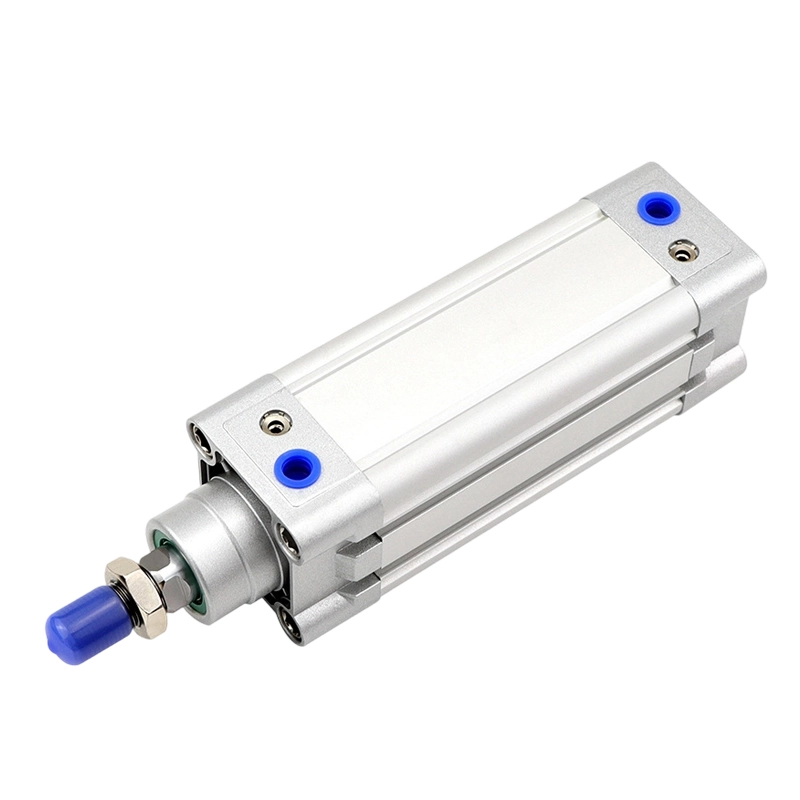
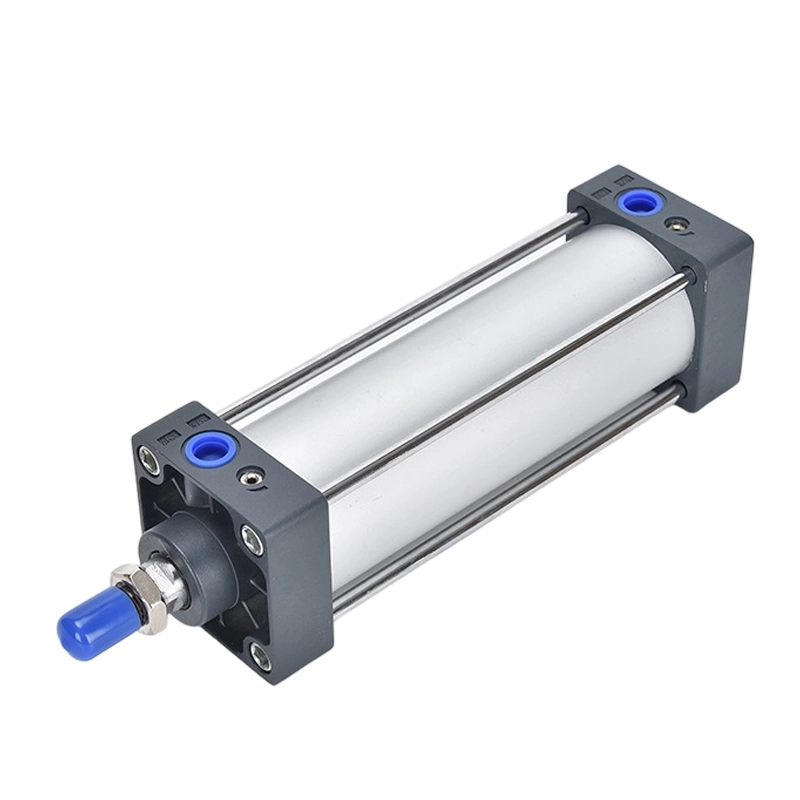
Standard Pneumatic Cylinders
Profile and tie-rod bodies for general linear motion. Start with the mounting format and rod arrangement.

Mini Pneumatic Cylinders
Small-body formats for compact fixtures. Review the body dimensions and acting type.

Compact Pneumatic Cylinders
Short-body cylinders for installations with limited axial space.
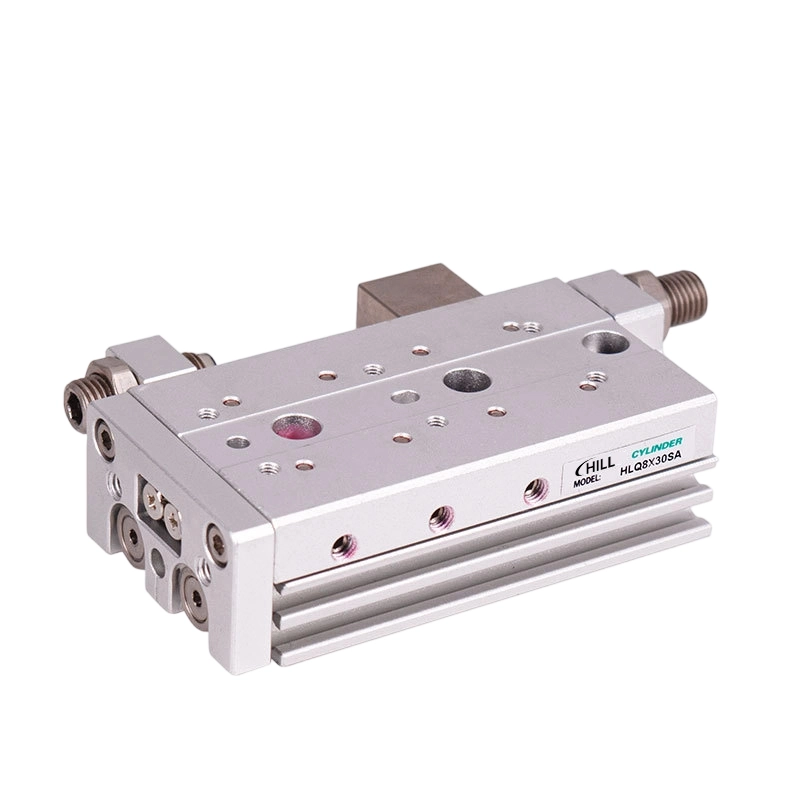
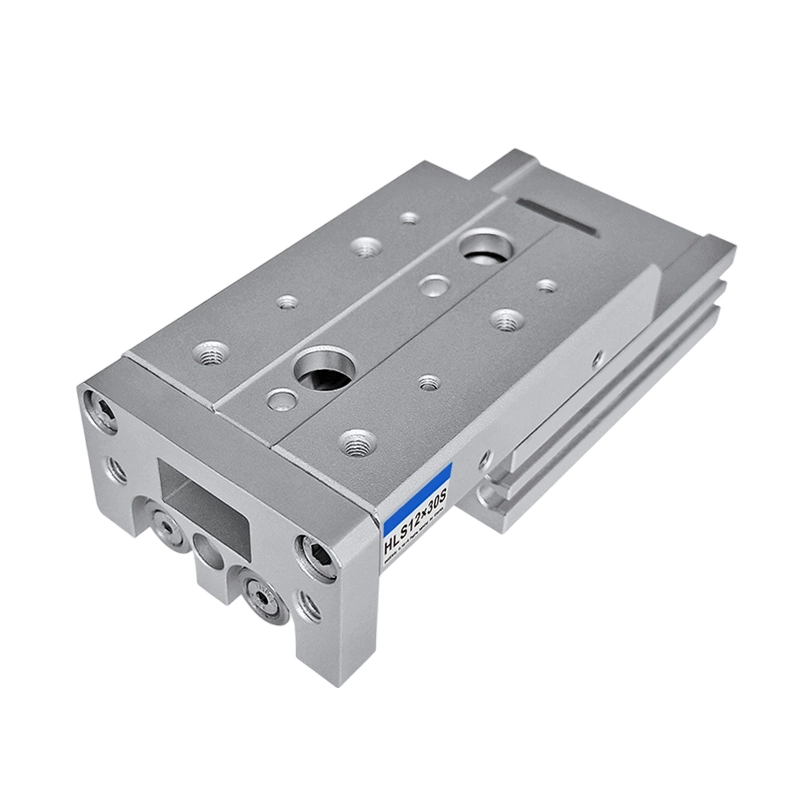
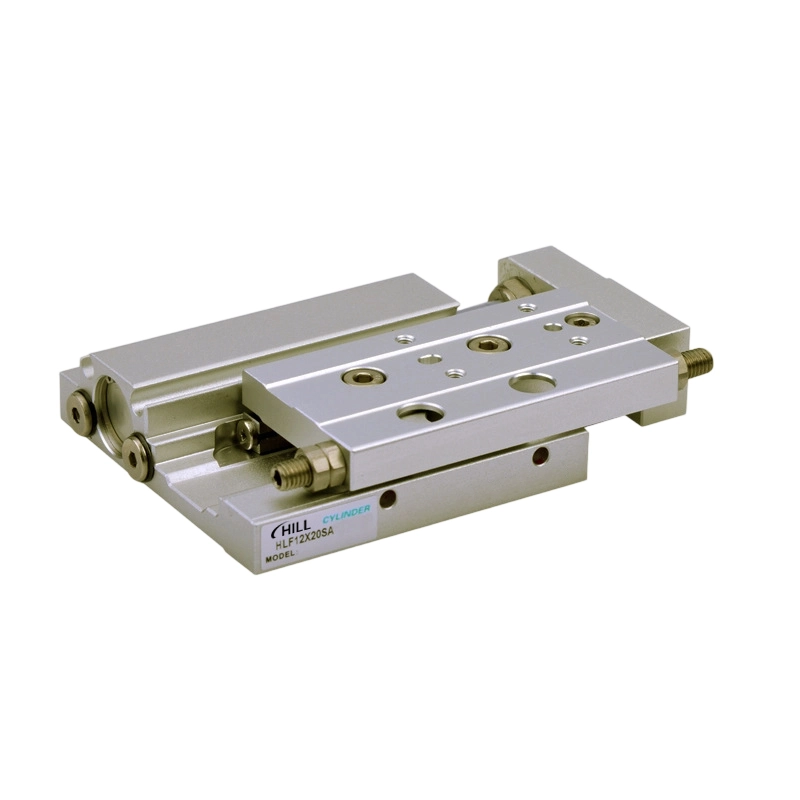
Pneumatic Slide Tables
An integrated guided table for positioning and transfer. Check the mounting surface and offset load.

Guided Pneumatic Cylinders
Twin-rod and tri-rod formats combine motion with guidance. Compare the rod and guide arrangement.

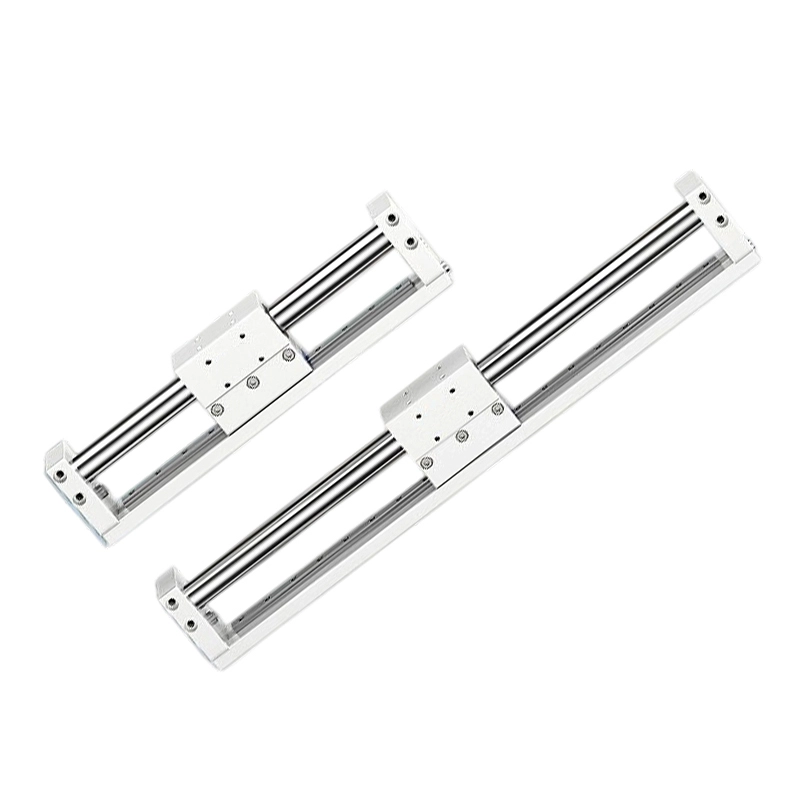
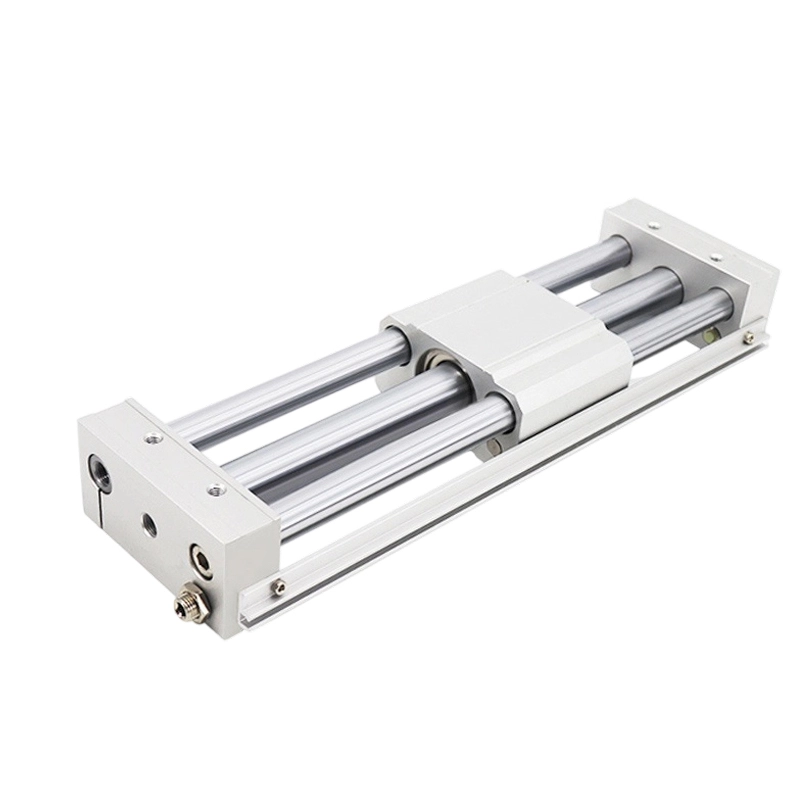
Rodless Pneumatic Cylinders
Rodless formats for travel within a compact installation length. Compare stroke and guidance.
Choose the construction.
Then refine the size.
Body length, guidance and the moving interface lead to different selection requirements. Start with the format that fits the machine.
Standard bodies
Review profile or tie-rod construction, mounting options and the rod arrangement for the selected series.
Miniature formats
Start with body dimensions and the required acting type, then check stroke and rod-end details.
Compact bodies
Check the retracted assembly length, mounting face and available stroke.
Slide tables
Compare the table mounting, guide configuration and the orientation and offset of the load.
Guided cylinders
Review the rod and guide-bearing arrangement alongside bore, stroke and mounting.
Rodless travel
Check travel, carriage guidance and coupling type for the selected series.
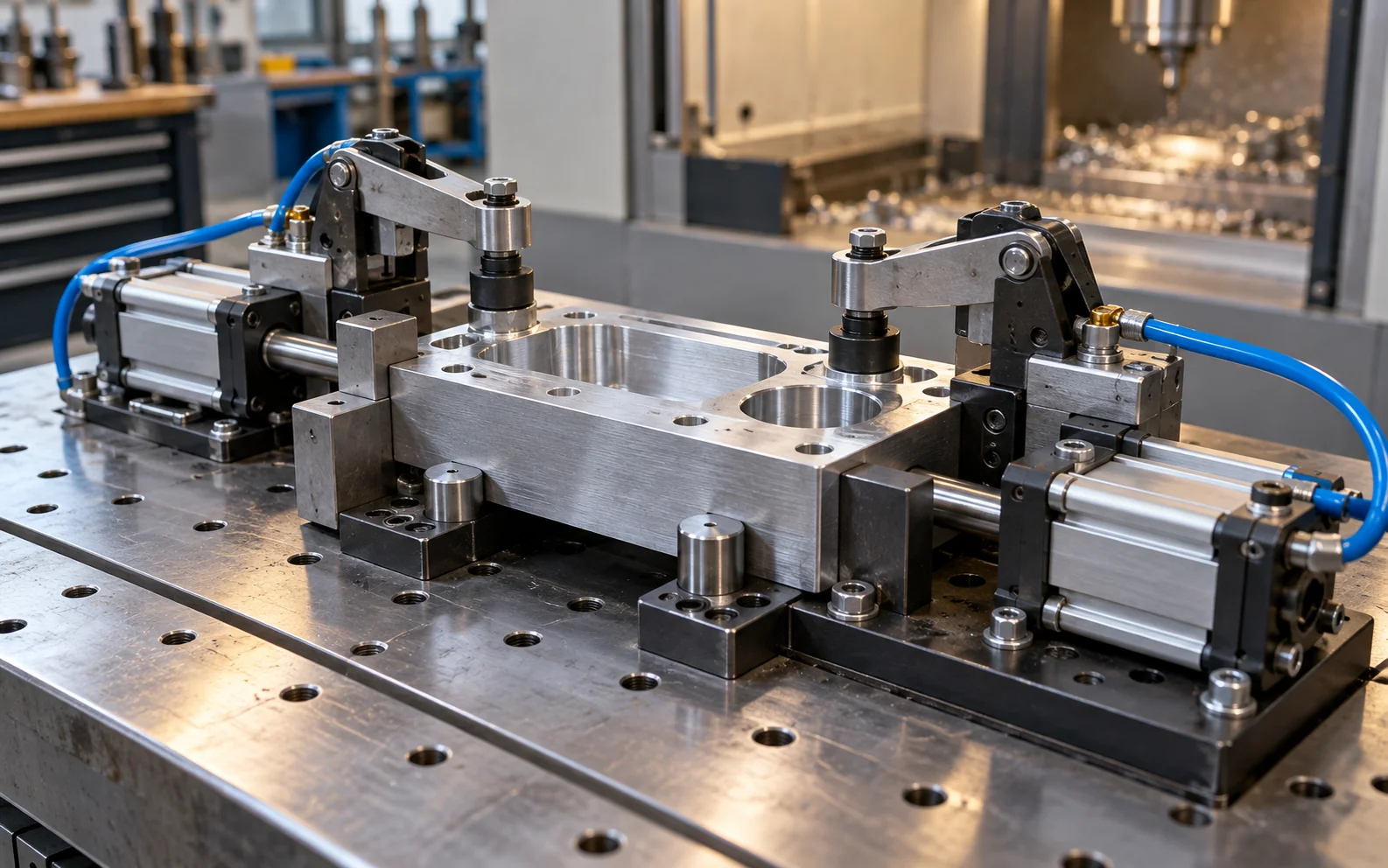
Define the load.
Check the installation.
Bring the motion, operating conditions and interfaces into one configuration. Check the data for the selected series and variant.

New machine
Record the motion, load direction, available space and mounting surfaces. Include the required control and position-sensing functions.
Replacement
Start with the complete model and nameplate. Keep photographs of the existing mounting, rod end, ports and sensor arrangement ready to share.
- Load and orientation
- Load direction, attachment position, motion path and any external guidance.
- Bore and stroke
- Required travel and available installation length. Compare the selected series data before fixing the size.
- Working conditions
- Pressure, medium, temperature, cycle requirements and the installation environment.
- Mounting and interfaces
- Mounting pattern, rod end, port thread and available tube routing.
- Connections
- Match tube size and port thread to the air circuit.
- Position sensing
- Confirm sensor fit and switching needs for the chosen variant.
- End of stroke
- Review cushioning and stop arrangements for the selected series.
Copy or download the requirements for your next discussion.
All 26 series groups.
The range in one place.
Series names may include related variants. Open a category for configuration information and the available technical data.
Standard Pneumatic Cylinders5 series groups

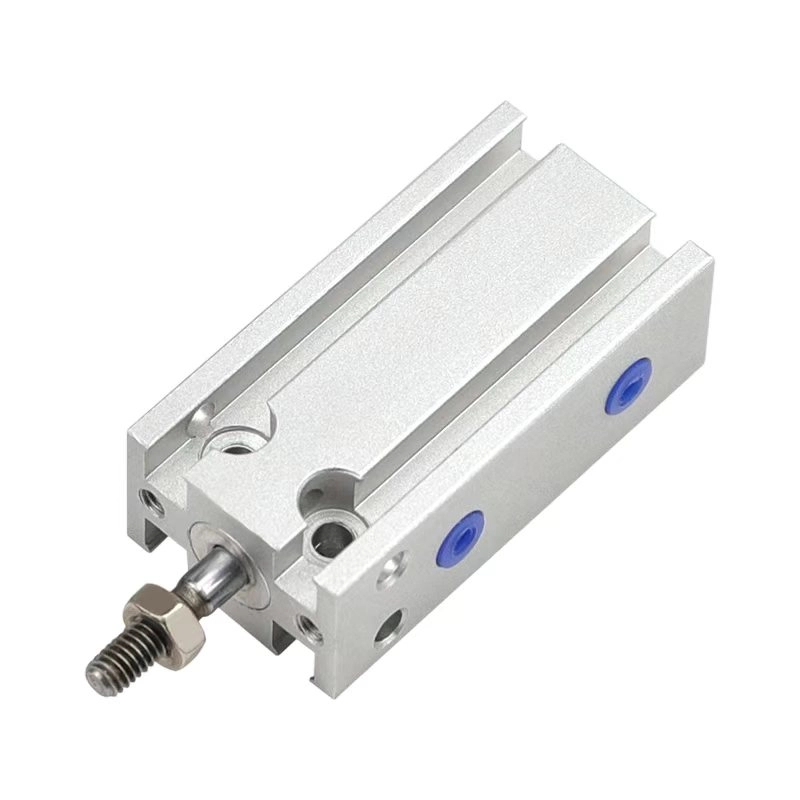
Mini Pneumatic Cylinders7 series groups


Compact Pneumatic Cylinders4 series groups


Pneumatic Slide Tables4 series groups
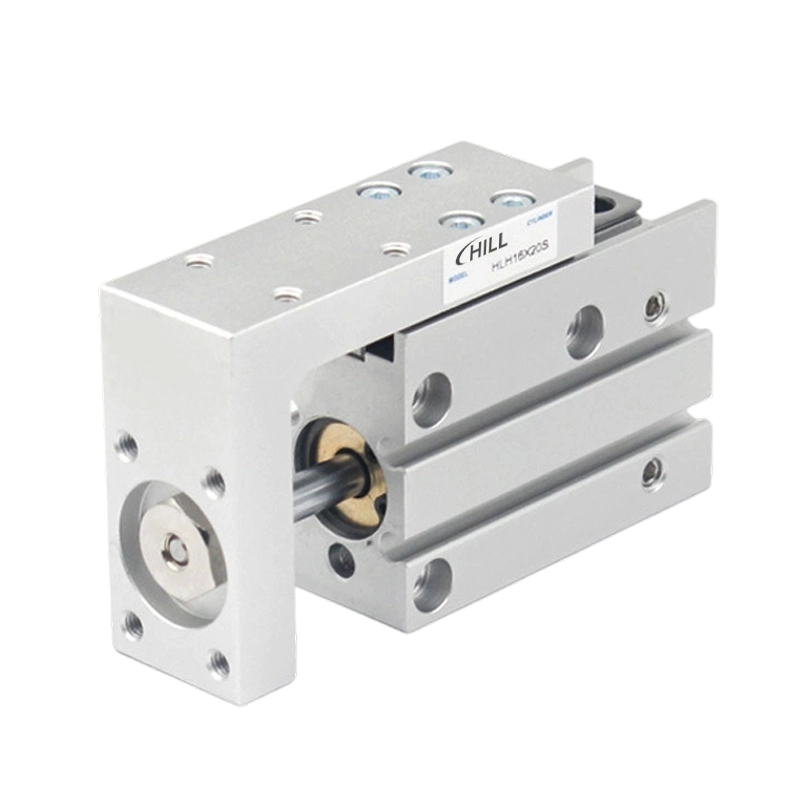
Guided Pneumatic Cylinders2 series groups

Rodless Pneumatic Cylinders4 series groups

Technical references.
Prepare the right details.
Open the series tables and installation checklists to prepare a clear new-machine or replacement requirement.
Common questions.
How do guided cylinders and slide tables differ?
Compare the guide arrangement, the moving mounting surface and where the load attaches. Review the specific series data for the required orientation and offset; bore alone does not describe the guided assembly.
Does matching bore and stroke confirm a replacement?
Also compare mounting dimensions, rod end, port thread, sensor arrangement and the operating limits of the exact model. List the existing model, nameplate details and installation-photo references in your brief.
Are the available options the same for every series?
Acting type, mounting, sensing and cushioning options vary by series and variant. Review the selected category and confirm the complete configuration before choosing the component.
Bring the actuator
requirements together.
Start with the series, bore and stroke. Add the load direction, working pressure, mounting, connections and quantity for your next discussion.
Create an actuator briefCopy or download your component requirements.
- Series and size
- Selected series / bore / stroke
- Installation
- Load direction / mounting / connections
- Order requirements
- Quantity / timing / destination