
Compressed-air systems.
Define the point-of-use duty.
Review air preparation and line connections against the pressure, flow, air quality and service conditions required at the machine.
Compressed-air preparation · AI-generated concept.
Illustrative context, not a customer installation.
Start with the air
the machine needs.
Compressor discharge conditions and the air available at a machine inlet can differ. Record the required flow and pressure at the point of use, together with the incoming air condition and the demands of other equipment sharing the line.
Filters and regulators address different treatment and pressure functions. Fittings and tubing complete the route but also affect connection fit and pressure loss. JEMWON’s in-house fittings and tubing production supports this part of the circuit; other air-preparation components are reviewed through the broader sourced range. This guide does not specify an entire compressor plant.
Review the supply at the point of use.
Required and simultaneous flow
State continuous, peak and intermittent demand and which consumers operate together. Record the measurement conditions and units for flow. The port size alone is not a flow guarantee; use the selected unit’s applicable data at the required pressure.
Inlet pressure and pressure loss
Record minimum, normal and maximum inlet conditions and the pressure required at the machine during operation. Review loss through the filter, regulator, fittings and tube route. Do not select a regulator from its adjustment range without checking the operating flow.
Air quality and lubrication
Specify the downstream equipment’s requirements for particles, water and oil. A general filter is not automatically a dryer or a guarantee of an air-quality class. The concept image includes a lubricator; include lubrication only when the downstream equipment requires it and review the selected lubricant and component instructions.
Drain, orientation and service
Identify mounting orientation, bowl clearance, drain access, gauge position and the space to replace an element. State ambient and medium temperature and exposure to chemicals or impact. Confirm the bowl, guard and drain arrangement for the actual environment.
Tube and fitting compatibility
Specify tube outside/inside diameter, material grade, length and bend route. Match the fitting’s tube interface and thread standard to the actual tube and port. Pressure and temperature limits are model- and size-dependent; no common rating is assigned across all PU, PA and fitting products.
Review treatment and connections separately.
These are product starting points for the review, not a pre-engineered machine package.
Product images are source catalog references, including their original labels. Confirm the selected model and interfaces; the images do not establish installation suitability or JEMWON manufacture.

AF air filters
A filter starting point for particulate and condensate separation. Confirm the selected element and drain; this reference does not establish drying performance or an air-quality class.
Review AF Series
AR pressure regulators
Set downstream pressure within the selected unit’s specification. Check inlet pressure, adjustment range, required flow, gauge arrangement and installation orientation.
Review AR Series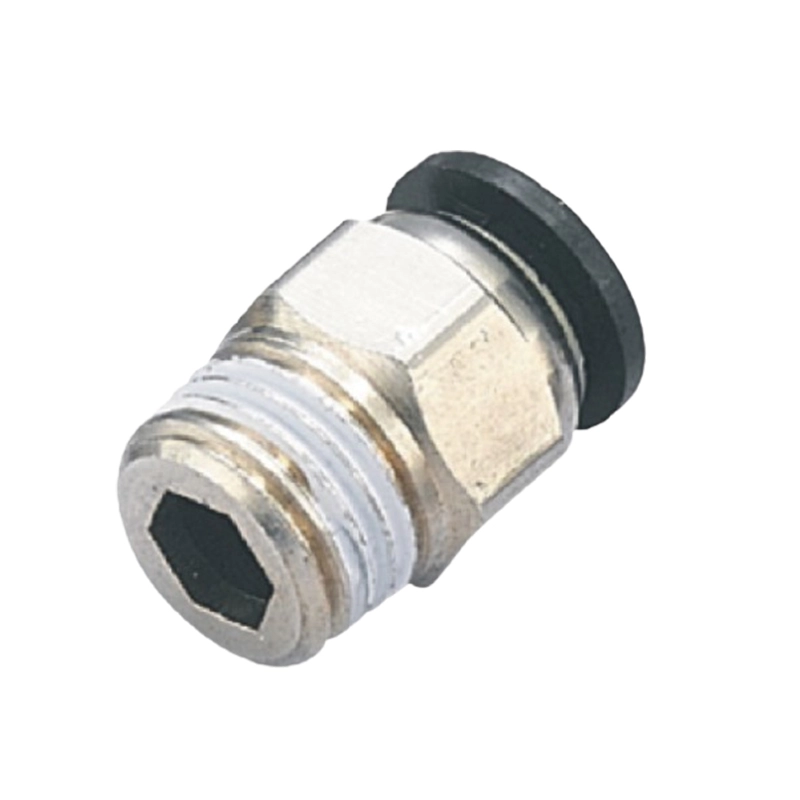
PC push-in connectors
Male straight connections for a defined tube and threaded port. Specify tube outside diameter, thread standard, nominal size and the permitted operating conditions.
Review PC Series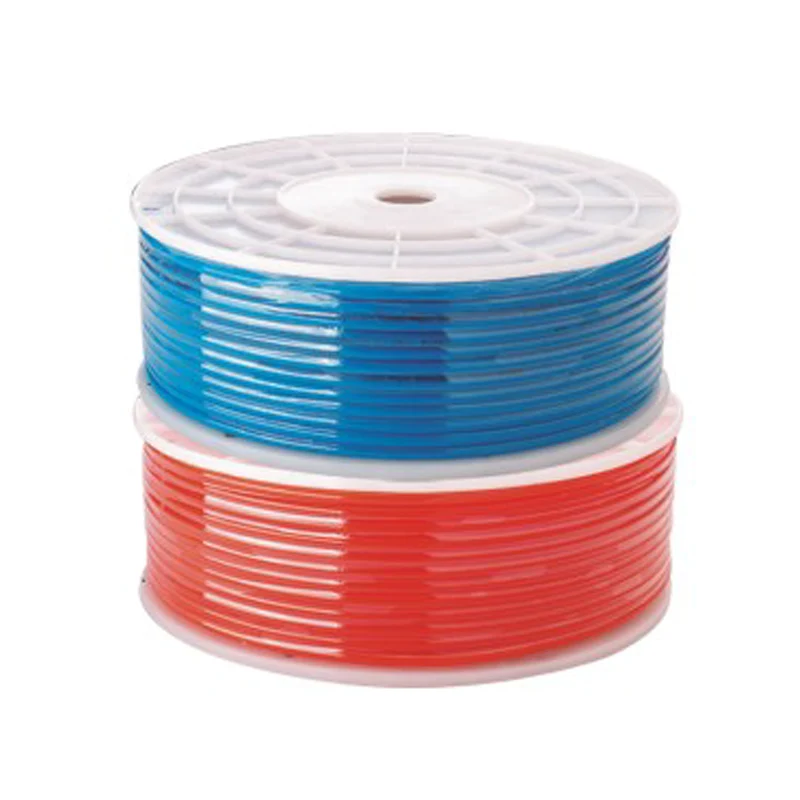
PU pneumatic tubing
Flexible air routing between the selected components. Confirm outside and inside diameter, length, bend route, motion and the pressure–temperature conditions for the actual tube.
Review PU Series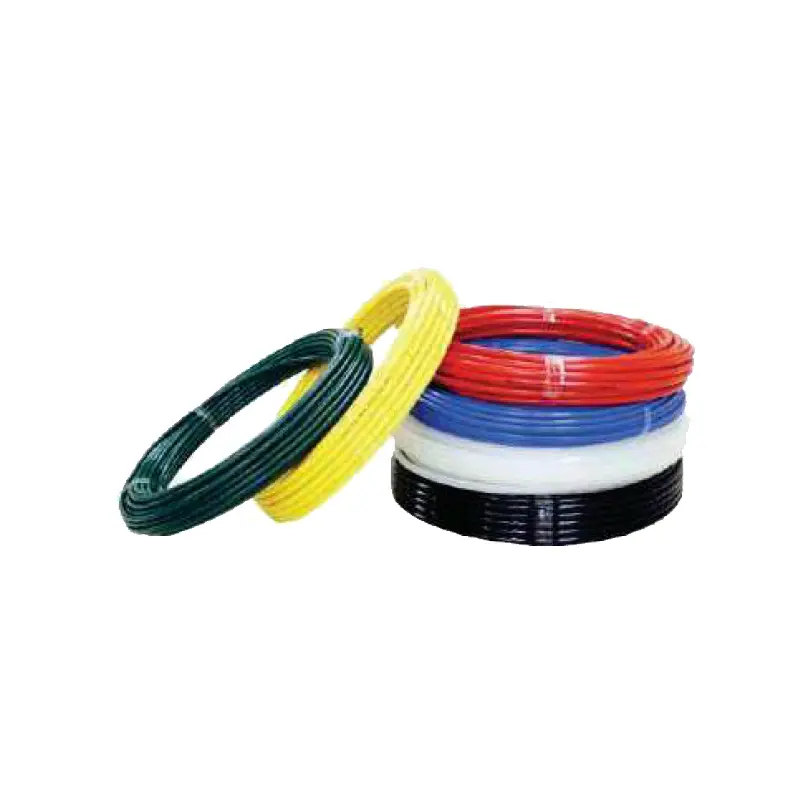
PA6 / PA12 nylon tubing
Review the actual nylon grade, tube dimensions, bend space and environment. PA6 and PA12 share this catalog photograph; it does not distinguish their grade or establish equal performance.
Review PA tubing optionsA clear point-of-use package.
Keep demand conditions, installation and downstream air requirements together.
Demand record
Minimum and normal inlet pressure, required downstream pressure, peak and simultaneous flow, units and measurement conditions.
Line and installation
Inlet/outlet port standards, tube outside/inside diameter and grade, route length, bracket space, bowl and drain access.
Treatment and environment
Particle, water and oil requirements, lubrication policy, medium and ambient temperatures, chemicals and maintenance conditions.
Use the exact unit and tube specification.
Identify the filter/regulator model, connection size, element, drain and bowl arrangement, together with the fitting thread and actual tubing grade and dimensions. Confirm any required air-quality or pressure/temperature evidence for those items; it is not established by an application photograph.
Prepare a requirement briefCreate text locally, then copy or download it. No online submission is made by this tool.
- Air-preparation technical informationReview AF, AW and AR separately and confirm the selected connection and service configuration.
- Fitting sizes and connection formatsMatch the actual tube outside diameter and threaded port before choosing the connector.
- Air-circuit requirement checklistRecord flow, pressure, air treatment, connection standards, tube route and document requirements.
- Available documentation and remaining requirementsCheck the actual source material before relying on a selected-model drawing, manual or certificate.